
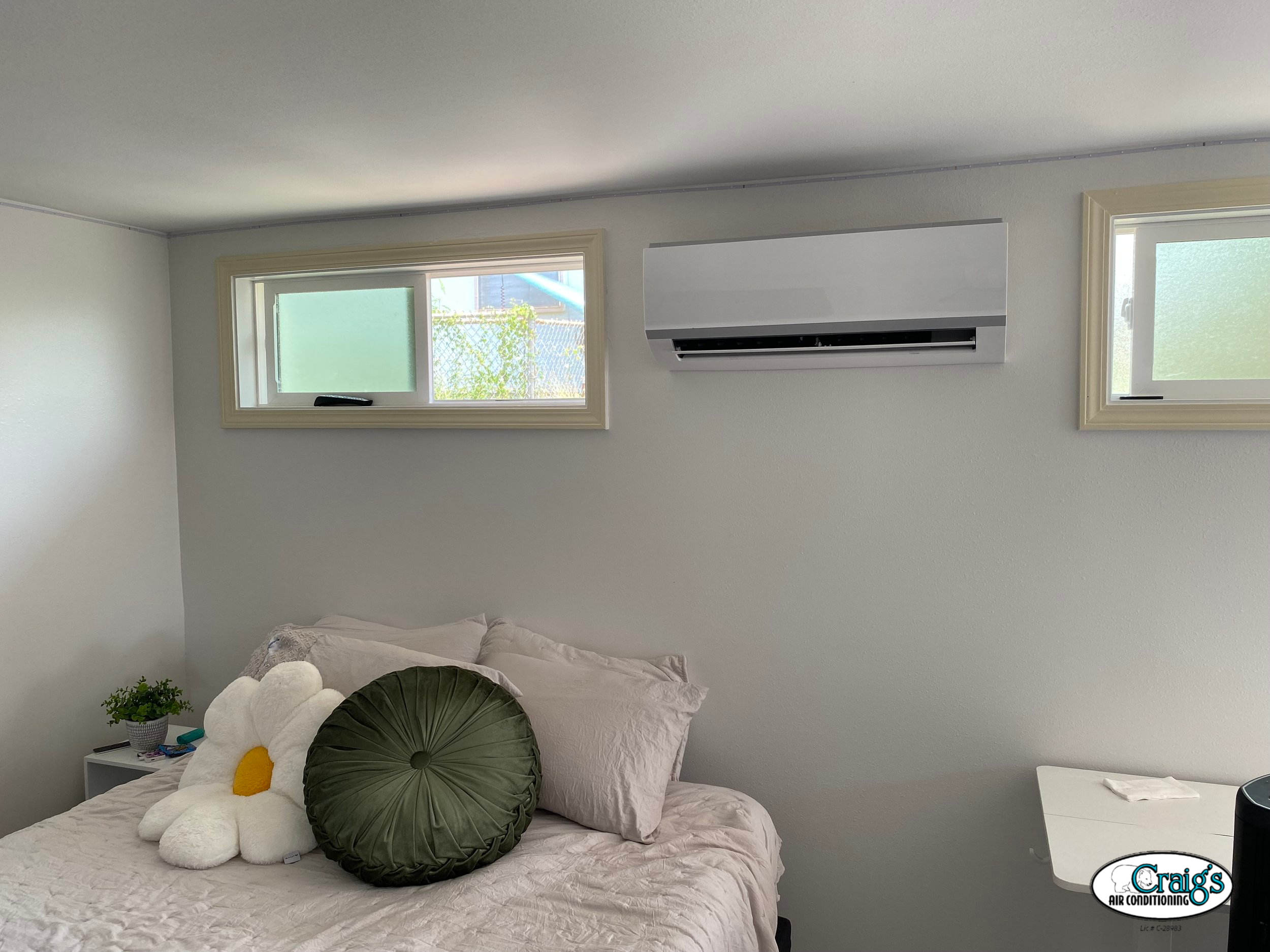
Before installing a mini split system, homeowners should understand several important factors to ensure the unit meets their needs and functions efficiently. Mini splits are popular for their energy efficiency and ability to provide both heating and cooling without ductwork. However, proper planning and knowledge about installation requirements can prevent common issues that may arise after the system is in place.
First, it is essential to evaluate the size of the space where the mini split will be installed. A unit that is too small will struggle to maintain a comfortable temperature, while an oversized system can lead to short cycling, which reduces efficiency and increases wear on components. Consulting with a professional HVAC technician to perform a load calculation helps determine the appropriate capacity based on room size, insulation quality, window placement, and climate conditions.
Another consideration involves electrical requirements. Mini splits typically require a dedicated circuit with specific voltage and amperage ratings depending on the model’s power consumption. Homeowners should verify whether their existing electrical panel can support this additional load or if upgrades are necessary before installation begins. Hiring a licensed electrician ensures compliance with local codes and safe operation of the equipment.
The location of both indoor and outdoor units also affects performance and aesthetics. The indoor air handler should be placed where airflow can circulate freely without obstruction from furniture or walls. It must also be accessible for regular maintenance such as filter cleaning or replacement. Meanwhile, the outdoor condenser requires sufficient clearance around it for proper ventilation; placing it near shrubs or under eaves can restrict airflow leading to decreased efficiency.
Installation complexity varies depending on home construction type-whether wall-mounted units are feasible depends on wall material thickness and structure integrity since holes need drilling through exterior walls for refrigerant lines, condensate drains, and electrical wiring connections. In some cases where drilling isn’t ideal due to building design or historical preservation rules, alternative mounting options might be necessary but could increase costs.
Maintenance expectations should not be overlooked either because mini splits need periodic servicing like cleaning filters every few months along with annual professional inspections of refrigerant levels and mechanical parts upkeep. Neglecting these tasks may reduce lifespan or cause breakdowns during extreme weather when reliable climate control matters most.
Understanding warranty terms before purchasing helps clarify what repairs or replacements are covered by manufacturers versus what expenses fall on homeowners over time. Comparing product reviews alongside warranties enables better decision-making regarding brand reliability.
In summary, careful assessment of space sizing needs, electrical compatibility, strategic unit placement within architectural constraints plus commitment toward routine maintenance form key steps homeowners must consider prior to installing Mini Split systems successfully in their homes. These preparations contribute significantly toward maximizing comfort benefits while minimizing future repair hassles or unexpected costs associated with improper setup choices made initially during installation planning stages themselves.