Managing large-scale roofing projects requires a roofing contractor to combine meticulous planning, effective communication, and skilled execution. The process begins with a thorough assessment of the project scope, including site evaluation and understanding client requirements. This initial phase is critical as it sets the foundation for scheduling, budgeting, and resource allocation. Accurate measurements and inspections help identify potential challenges such as structural issues or weather-related risks that could impact timelines or costs.
Once the assessment is complete, the contractor develops a detailed project plan outlining each phase of work. This plan includes material procurement schedules, labor assignments, safety protocols, and contingency measures. For large projects involving multiple teams or subcontractors, coordination becomes essential to ensure all parties understand their responsibilities and deadlines. The contractor often uses project management software to track progress in real-time and adjust plans as necessary to maintain efficiency.
Securing quality materials in appropriate quantities is another vital aspect of managing extensive roofing jobs. Contractors establish relationships with trusted suppliers who can deliver consistent products on time. Delays in material delivery can cause costly interruptions; therefore, ordering well in advance while considering storage logistics helps prevent such setbacks. Additionally, contractors must verify that all materials meet industry standards for durability see more and compliance with local building codes.
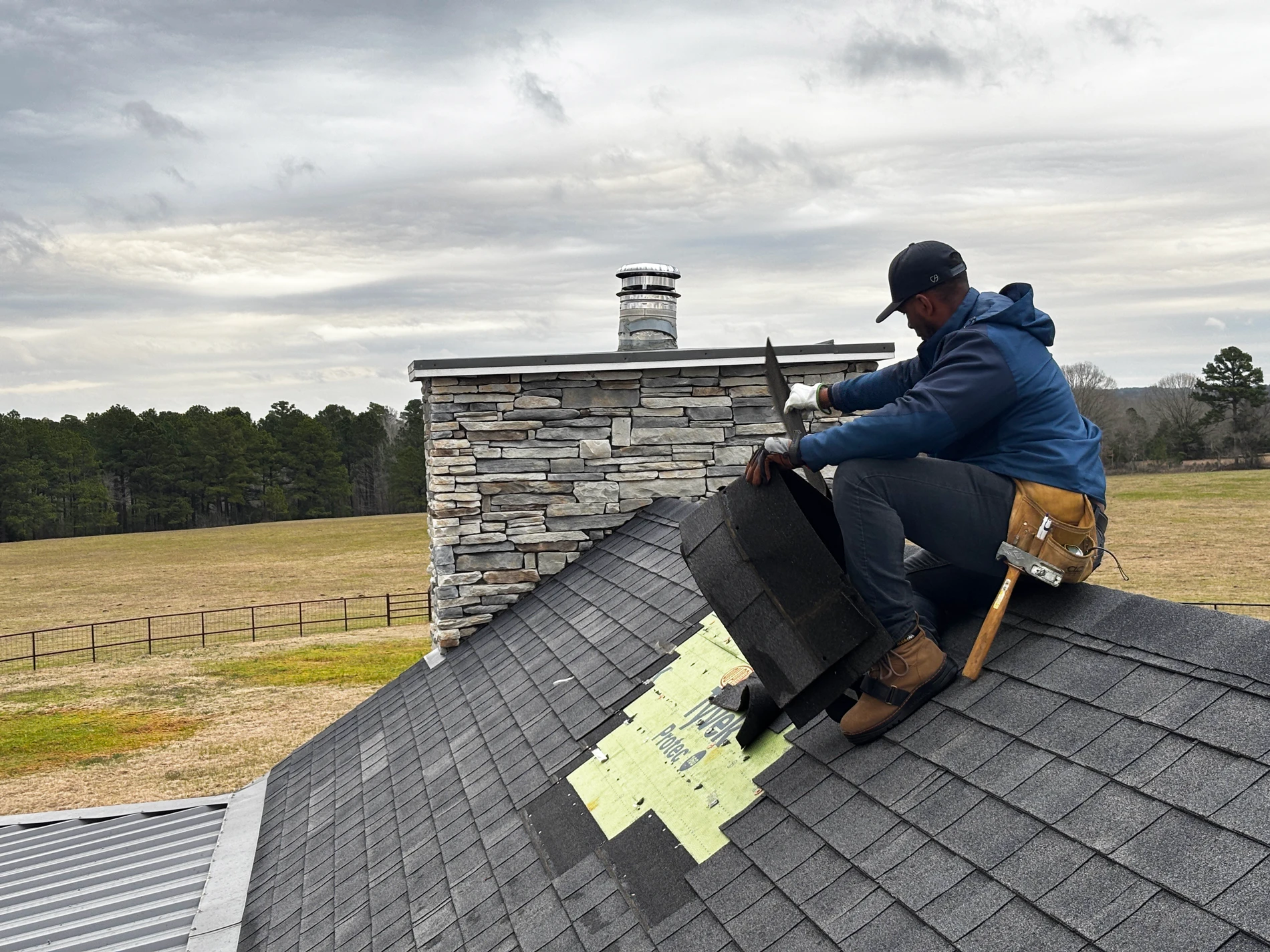
Labor management plays a significant role throughout the project duration. Roofing contractors assign experienced crews tailored to different tasks like removal of old roofing layers, installation of insulation or underlayment systems, application of shingles or membranes, and finishing details such as flashing or gutters. Supervisors oversee daily operations to ensure workmanship quality aligns with specifications while maintaining safety standards on-site through regular training sessions and hazard assessments.
Communication remains continuous between the contractor’s team members and clients alike during every stage of construction. Regular updates keep stakeholders informed about milestones achieved or any unforeseen issues requiring prompt resolution. Transparent dialogue fosters trust which is crucial when dealing with complex projects where changes might arise due to weather conditions or design modifications requested by clients.
Finally, upon completion of installation work, rigorous inspection procedures confirm that the roof meets performance expectations before final handover occurs. Contractors conduct walkthroughs addressing any punch list items promptly so that warranties can be issued confidently without lingering concerns about defects or incomplete tasks.